№ 01
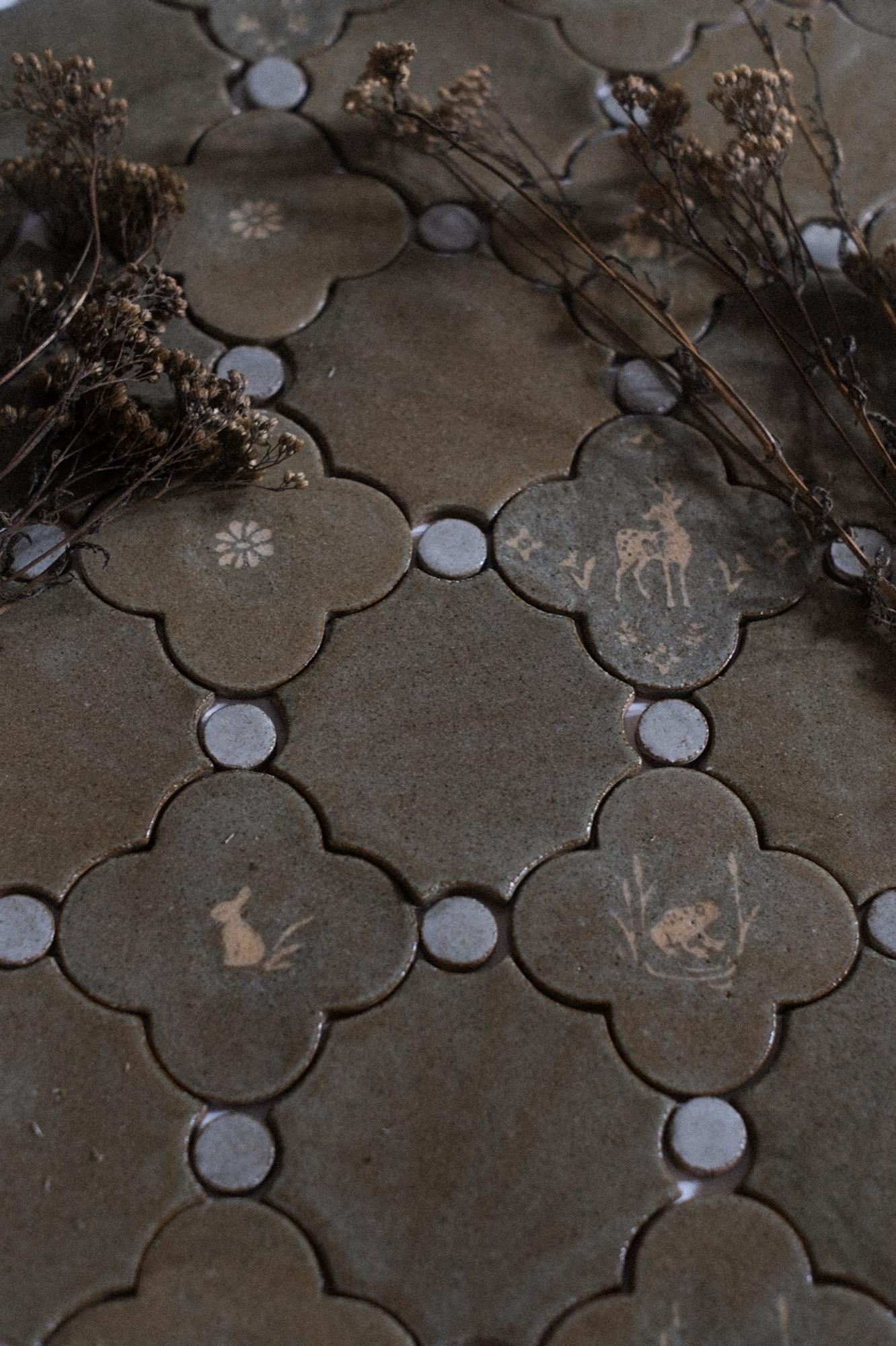
The barbed quatrefoil is a sharper, more energetic cousin of the classic quatrefoil, first appearing in Gothic tracery in mid thirteenth century Paris before spreading through cathedral windows across France and Italy.
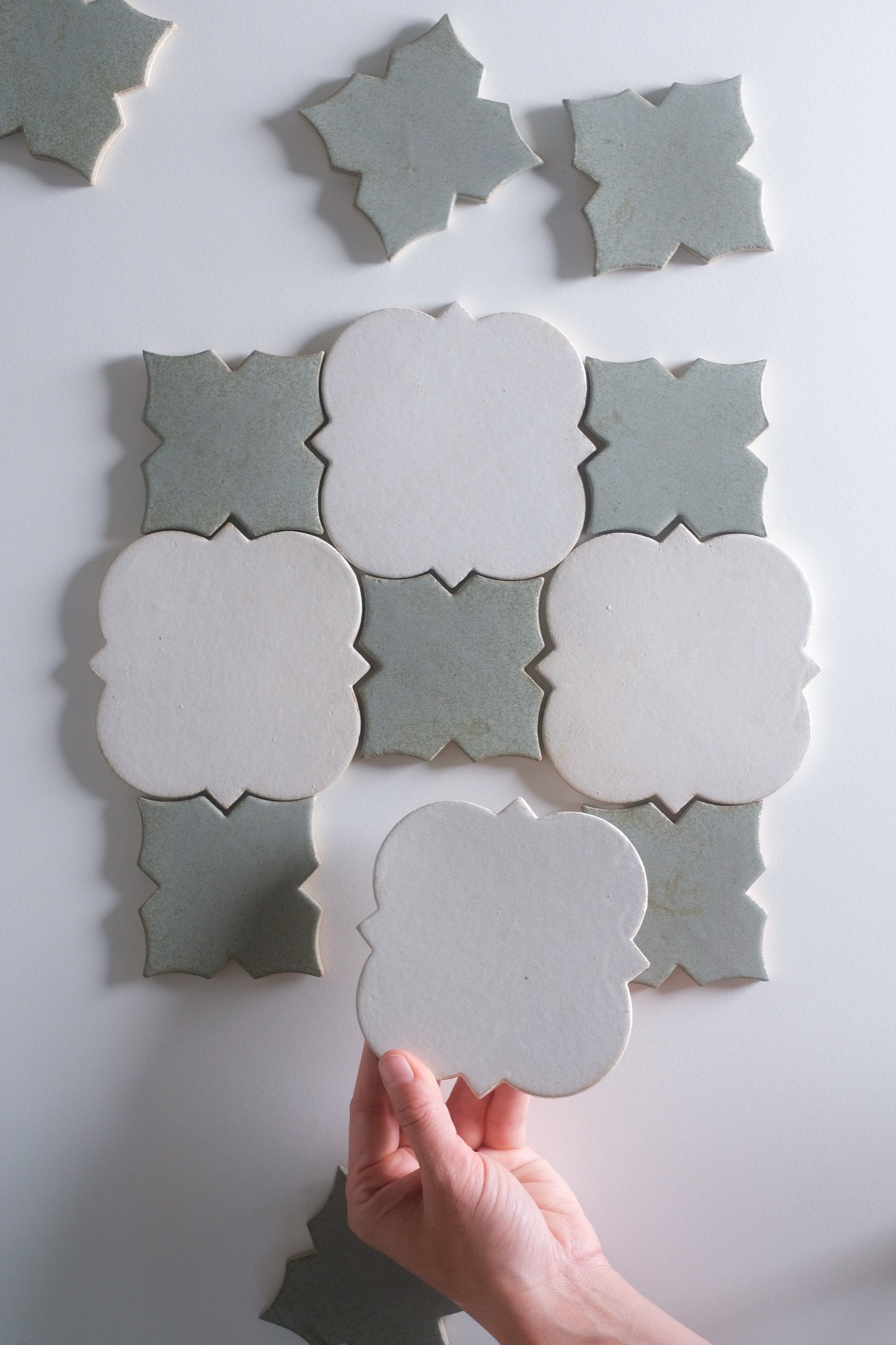
It takes the familiar four lobed shape and layers a square, rotated so its corners push out right where the rounded lobes meet. The result is something between architecture and heraldry, a pattern that keeps the softness of a four leaf form but adds a row of small pointed barbs around its edge, giving it a bit more bite and movement than a plain quatrefoil.
This pattern is built from just two parts working together, fitting so neatly that no extra insert is needed to fill the space between them. That clean interlock is part of what gives the pattern its rhythm, with each tile settling into the next without any gaps left to dress up.
I had a lot of fun designing this pattern, well not the pattern itself, I am not 800 years old but the 3D model for the tile cutters. It's always interesting to think of one shape as a process, combining the most basic shapes like squares and circles to arrive at the finished design.
Made to order, priced by pattern, shipped worldwide.